


Close to a stable, healthy weight
Suits people near their goal weight whose shape is affected by local fat pockets.
Body contouring
Liposuction removes stubborn pockets of fat through small incisions to refine body shape. It is a contouring operation for people near a stable, healthy weight, not a way to lose weight.
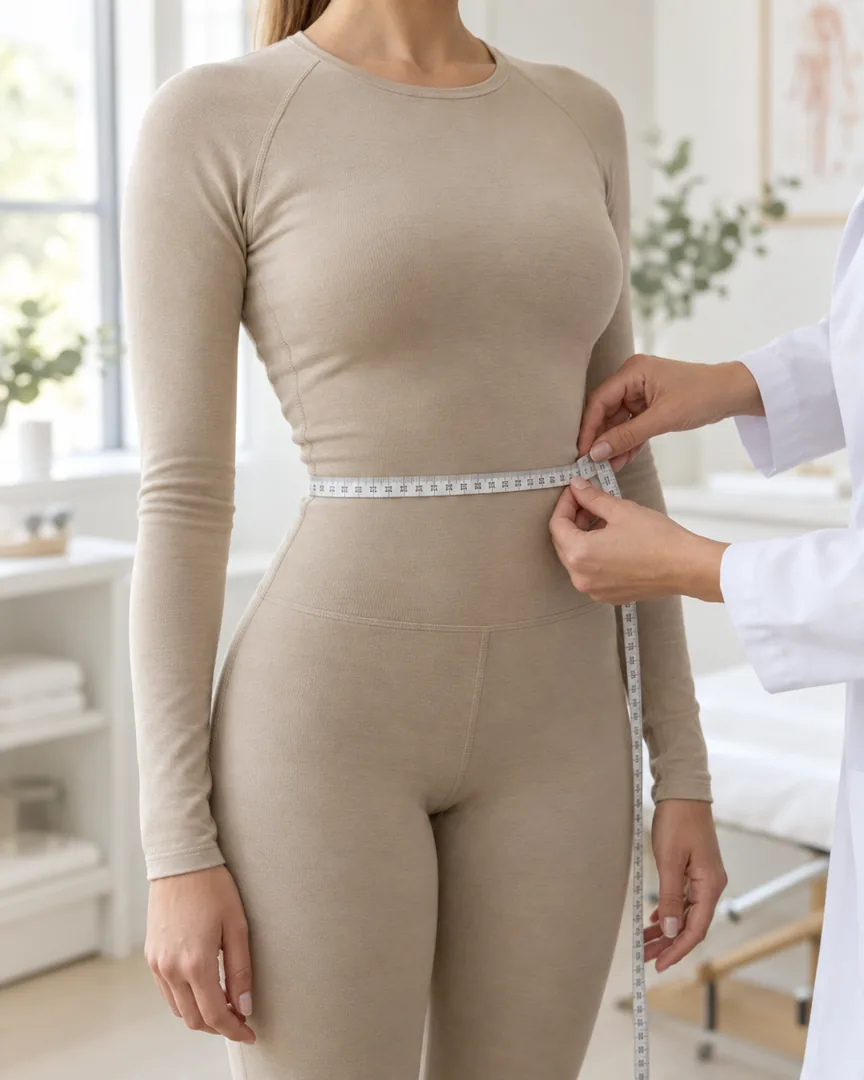
Liposuction is a surgical procedure that removes localized fat deposits through small incisions using a thin suction cannula. Liposuction refines contour in areas such as the abdomen, flanks, thighs, arms and chin that resist diet and exercise. Liposuction is not a weight-loss treatment and does not tighten loose skin; results depend on skin quality and a stable weight.
Liposuction is a body-contouring operation in which a surgeon removes fat from beneath the skin through incisions of a few millimeters, using a thin tube called a cannula that is attached to suction.
The operation targets fat in specific areas that has not responded to diet and exercise. The volume that can safely be removed in one session is limited, so the scale changes little; the difference is in shape and proportion.
Where loose skin or separated muscles are the main concern, a tummy tuck (abdominoplasty) may suit better, and the two are often combined. Men with enlarged chest tissue may be assessed for gynecomastia surgery, which often includes liposuction. The plastic surgery overview shows how the options fit together.
| Traditional (tumescent) liposuction | Ultrasound-assisted (VASER) liposuction | |
|---|---|---|
| How fat is loosened | Tumescent fluid and the movement of the cannula | Ultrasound energy breaks up fat before suction |
| Often chosen for | Most areas and most body types | Denser, fibrous fat such as the back, flanks or male chest |
| Specific risks | Contour irregularities, bruising, numbness | The same, plus a small risk of heat injury to the skin |
| Recovery | Depends mainly on volume and number of areas | Broadly similar; evidence on less bruising is mixed |
Most people return to desk work within one to two weeks, though swelling takes several months to settle fully. The pace depends on how many areas were treated.
The medical tourism guide covers transfers, accommodation and aftercare once you are back home.
Liposuction is common, but it is still surgery. Most side effects are temporary; serious complications are uncommon and are reduced by careful patient selection, volume limits and good aftercare.
Large-volume procedures can cause fluid shifts that strain the heart and kidneys, so the amount removed in one session is limited. Rarer still are fat embolism, where fat enters the bloodstream, and blood clots such as deep vein thrombosis or pulmonary embolism.
Long-haul flights raise the risk of blood clots, and recent surgery raises it further. Your surgeon sets when you can fly; on board, walk regularly, drink water and wear compression stockings if advised.
Liposuction is usually not advised during pregnancy, for people planning major weight loss or unable to stop smoking, or with poorly controlled heart disease, diabetes or bleeding disorders. Your surgeon reviews your personal risks in consultation.
No. Liposuction is designed to reshape specific areas, not to reduce overall body weight, and the volume removed is limited for safety, so the change on the scale is usually small. People benefit most when they are already near a stable weight. Liposuction does not treat obesity or lower the health risks linked to excess weight.
Fat cells removed during liposuction do not grow back, but the fat cells that remain can still enlarge. With significant weight gain, fat may build up in untreated areas as well as treated ones. Keeping a stable weight through a balanced diet and regular exercise is the most reliable way to maintain the new contour.
The cost depends on how many areas are treated, the technique, the type of anesthesia, the length of any hospital stay and what the package includes, such as accommodation and transfers. A plastic surgeon reviews your photos and medical history first; a personal quote follows the assessment, so you know what is covered before you travel.
Most patients plan to stay in Istanbul for about five to seven days. That usually allows time for pre-operative tests, the operation, often one night in hospital and a follow-up check before flying. Larger or combined procedures may need a longer stay, and your surgeon confirms when you are fit to travel home.
Liposuction is often combined with a tummy tuck, breast surgery or gynecomastia correction, and the fat removed can sometimes be purified and used for fat grafting elsewhere. Combining procedures lengthens surgery and recovery and can raise some risks, so your surgeon weighs the benefits against safety and may suggest staging the operations.
Liposuction uses incisions of a few millimeters, usually placed in natural creases or discreet spots such as the belly button or bikini line. The small scars are typically pink at first and fade over the following months, though healing varies between people. A compression garment worn for several weeks also helps the skin settle smoothly.
Related
Medically reviewed by Plastic surgeon name, title · Written by the Hair Transplant Of The Turkey medical team · Last updated