


Hair restoration
Hair Transplant Techniques
A hair transplant moves hair follicles from an area with stable growth to an area where hair has thinned or is missing. Several techniques exist for extracting and placing those follicles — this page explains the basics and points you to the details of each one.
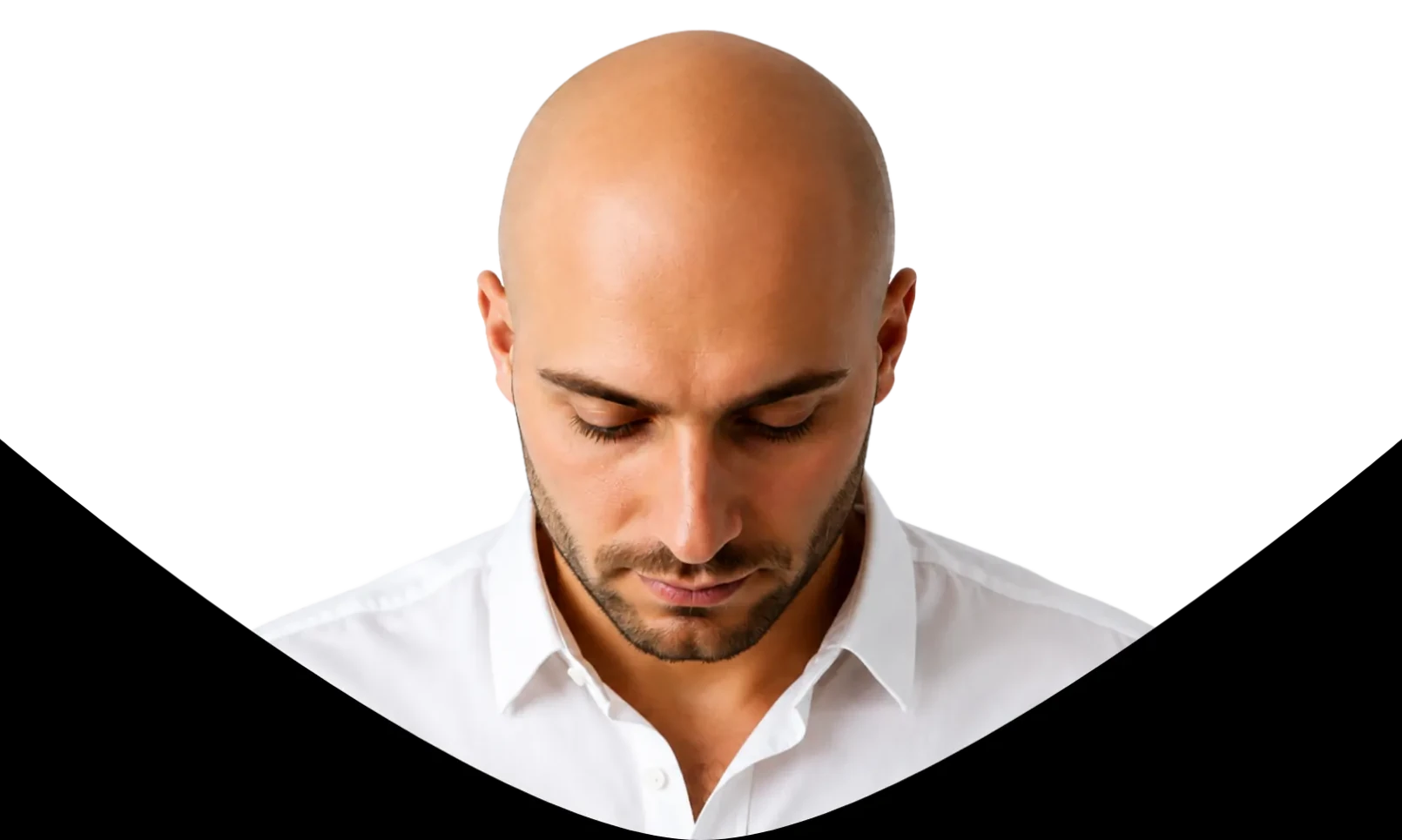
What are the main types of hair transplant?
The main hair transplant techniques are FUE, DHI and Sapphire FUE, plus specialised variants for beard, eyebrow and female hair loss. All extract individual follicular units from a donor area; they differ mainly in how the recipient site is opened and how grafts are placed.
What is a hair transplant?
A plain definition
A hair transplant is a surgical procedure that relocates hair follicles from a donor area with stable, hormone-resistant growth to an area where hair has thinned or is missing, so they continue growing in their new location using their original genetic programming.
The basic principle
Most people lose hair from the top and front of the scalp first, while hair at the back and sides usually keeps growing for life because it is naturally resistant to the hormone linked to pattern hair loss. A hair transplant relocates follicular units from that resistant donor area into thinning or bald zones, where they continue to grow using their original genetic programming.
What changes between techniques
FUE, DHI and Sapphire FUE all take hair out one follicular unit at a time instead of cutting away a strip of scalp, and so do the beard, eyebrow and female variants. What differs is the instrument used to open recipient sites, how grafts are placed, and how the technique is adapted to a particular area of the body or type of hair loss.
A general comparison
FUE vs DHI
| FUE | DHI | |
|---|---|---|
| Recipient site | Incision made first, graft placed after | Incision and placement happen together via an implanter pen |
| Typical use | Larger areas, flexible planning | Precision zones like the hairline, denser packing |
| Shaving | Recipient area usually shaved | Can sometimes be planned with less or no shaving |
| Learn more | FUE details | DHI details |
Choose a technique
Explore each technique
FUE
DHI
Sapphire
Beard & moustache
Eyebrow
Female
Who is a candidate?
Good candidacy generally depends on three things: a donor area with enough stable density to supply grafts, a hair loss pattern that has stabilised enough to plan around, and general good health suitable for a minor surgical procedure. Age, personal goals and the stage of hair loss also shape which technique is recommended, or whether surgery makes sense at all. The Norwood scale explains how male pattern loss is usually staged.
The only reliable way to confirm candidacy is a proper assessment, usually starting with a few photos and a short consultation with a surgeon. Pricing depends on the plan agreed at that stage; see the pricing page for what a typical package includes.
What is the general process?
- 01
Photos and initial review
Share a few photos of your donor and thinning areas so the medical team can form a first impression. - 02
Consultation
A surgeon reviews your hair loss pattern, donor supply and goals, and discusses which technique fits best. - 03
Planning your stay
If you are travelling for treatment, transfers, accommodation and the schedule for your visit are arranged. - 04
The procedure
Local anaesthesia is used; grafts are extracted from the donor area and placed into the recipient area on the day of surgery. - 05
Aftercare and recovery
You receive written aftercare guidance covering washing, rest and activity for the following weeks. - 06
Follow-up
Progress is checked at agreed intervals as new hair grows in over the following months.
Frequently asked questions
How do I know which hair transplant technique is right for me?
The right technique depends on your donor supply, the area being treated and your personal goals. A consultation with a surgeon, usually starting from a few photos, is the most reliable way to decide.
Is a hair transplant permanent?
Transplanted follicles generally keep growing because they come from a donor area resistant to pattern hair loss, though results vary by individual and depend on ongoing donor stability.
Is the procedure painful?
Local anaesthesia is used for the donor and recipient areas, so the procedure itself is not painful. Some tenderness in the days afterward is normal and manageable.
How many sessions will I need?
Many people achieve their goals in a single session. More extensive hair loss may benefit from a follow-up session later, which is assessed individually in consultation.
When will I see results?
New growth typically begins around three to four months after the procedure, with fuller results generally visible between six and twelve months as hair thickens.
What is the difference between FUE, DHI and Sapphire FUE?
All three extract follicular units individually. They differ mainly in how the recipient site is opened and how grafts are placed — see each technique page for a detailed comparison.
Am I too old, or too young, for a hair transplant?
Age alone rarely rules out a transplant, but very early-onset hair loss may still be progressing, which can affect planning. A surgeon assesses this alongside donor supply and goals.
Can a hair transplant fail?
Outcomes depend on donor quality, technique and aftercare, and results vary between individuals. A thorough consultation and following aftercare guidance both support a good outcome.
How many grafts do I need?
Most people need between 1,000 and 4,000 grafts in one session. A rebuilt hairline often takes 800 to 1,500 grafts, the whole front third 1,500 to 2,500 and the crown another 1,000 to 2,000, depending on donor supply. A surgeon gives your number after reviewing photos.
How long do I need to stay in Istanbul?
Our packages are planned around a 3-day, 2-night stay: arrival and pre-operative checks, the procedure day, then the first check-up and hair wash before you fly home. Extra nights can be arranged if you want to stay longer.
What happens to the donor area?
Grafts are taken one by one from the back and sides of the scalp, which heal as tiny scattered dots within about a week to ten days. Surgeons leave enough follicles behind for the donor area to look full at your usual haircut length.
Can techniques be combined?
Yes. A surgeon may use sapphire incisions for larger areas and a DHI implanter pen at the hairline, for example. All of them extract grafts the same way; the combination is chosen for your hair and goals.
When can I go back to work?
Many people return to desk work within three to seven days. Jobs with heavy lifting, heat, dust or a hard hat usually need longer.
Will the result look natural?
It usually does when the hairline is designed for your face and age and grafts follow your natural growth angle. A transplant restores about 30 to 50 grafts per square centimetre, which reads as full hair because each graft carries about two hairs.
Do I need medication after a hair transplant?
Transplanted hair does not need medication to keep growing. Your own untreated hair can keep thinning, though, so some people use finasteride or minoxidil to protect it, which you discuss with a doctor.
Medically reviewed by Surgeon name, title · Written by the Hair Transplant Of The Turkey medical team · Last updated