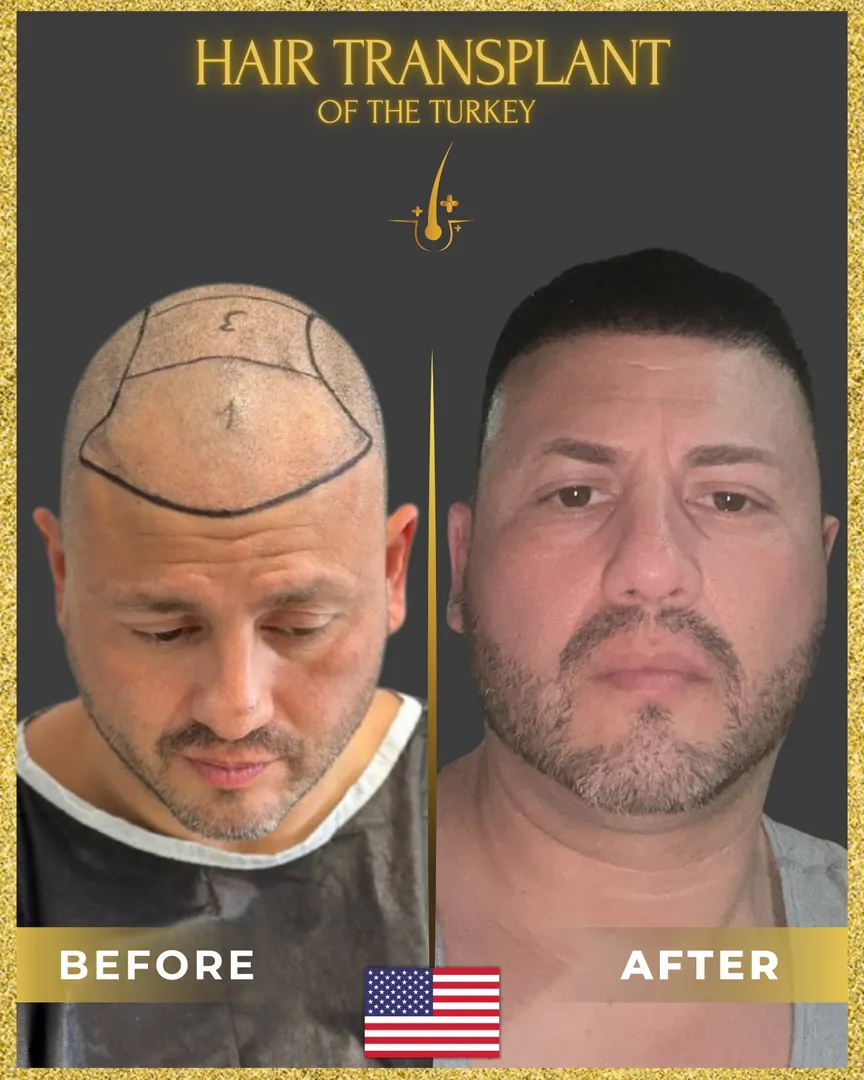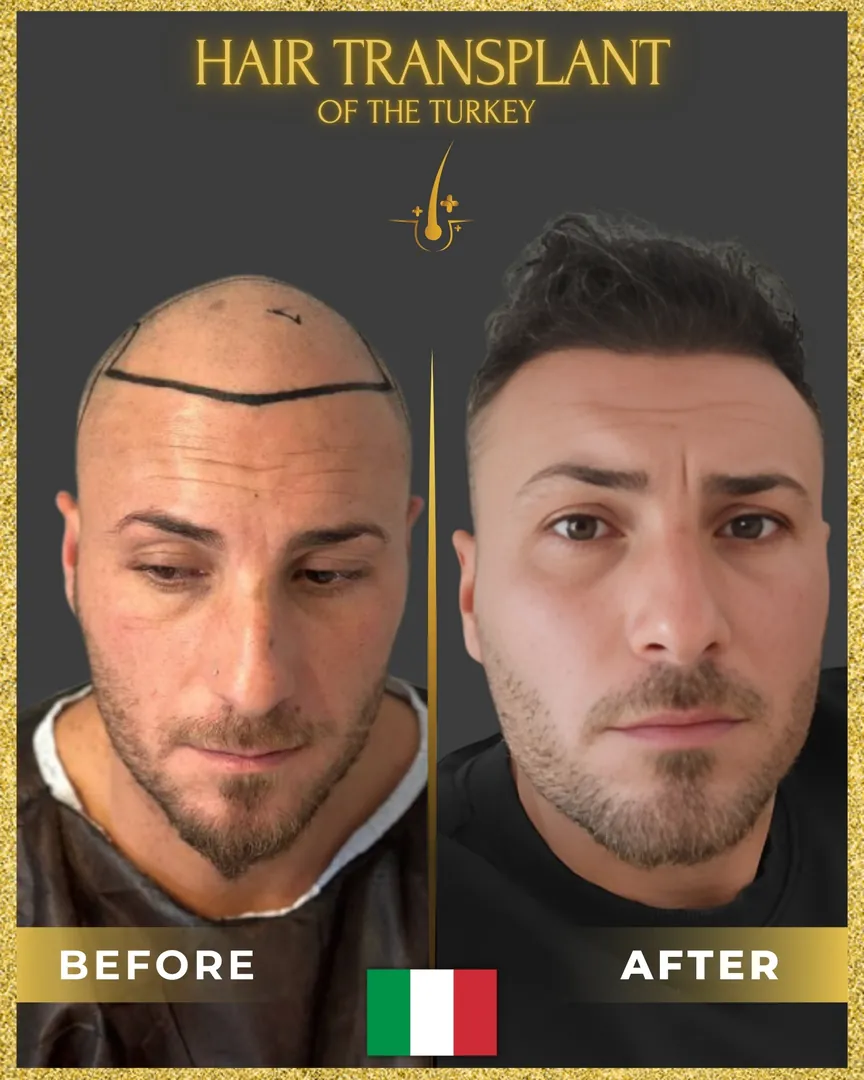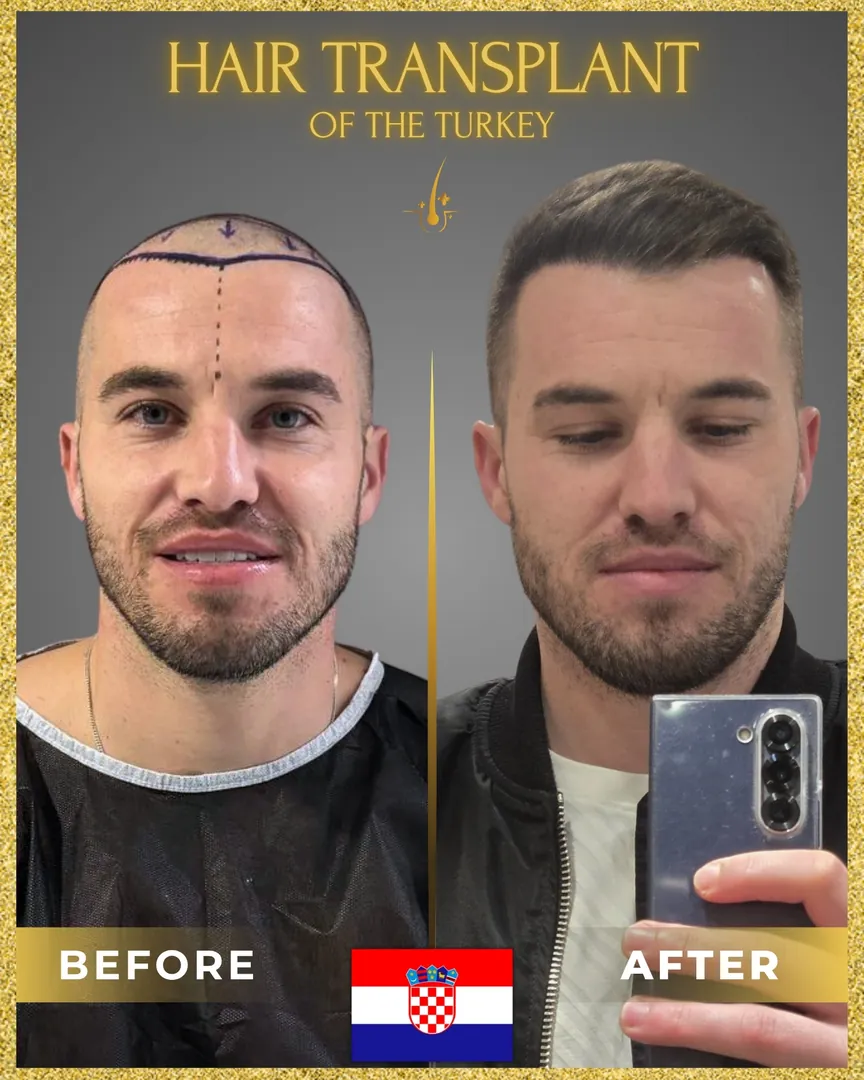
Hair TransplantsCase 01
Real results
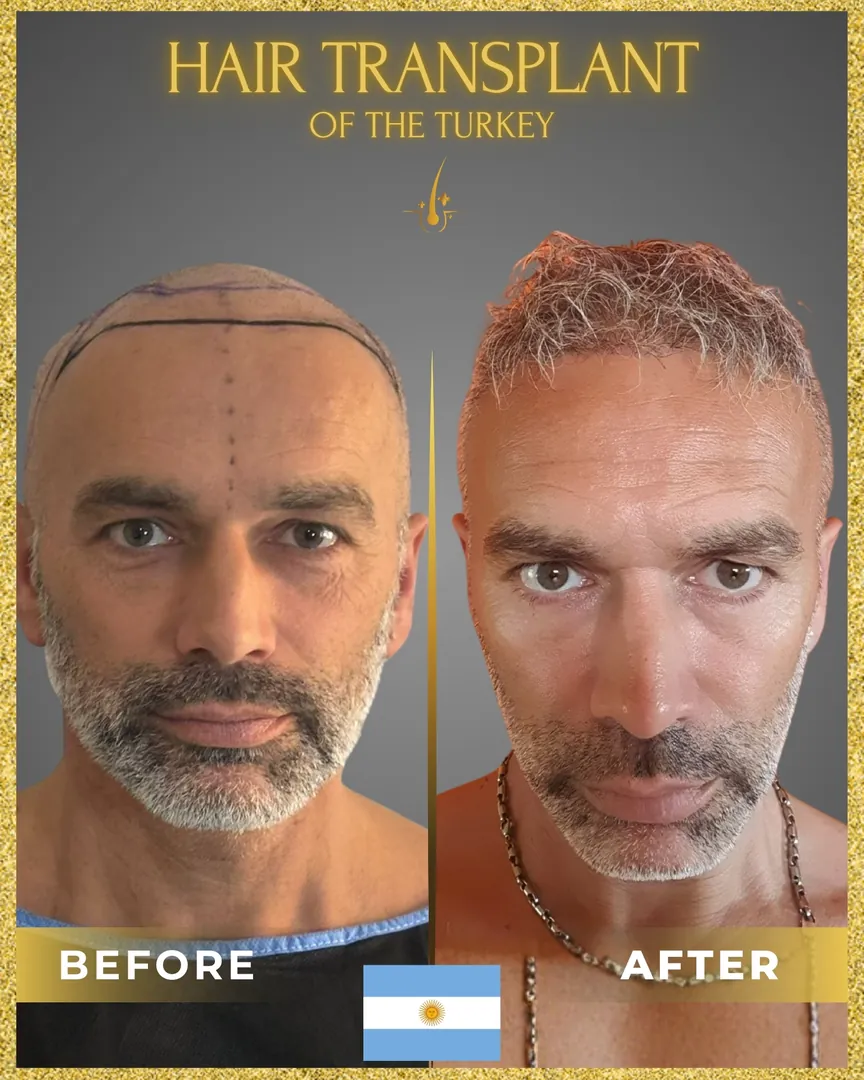
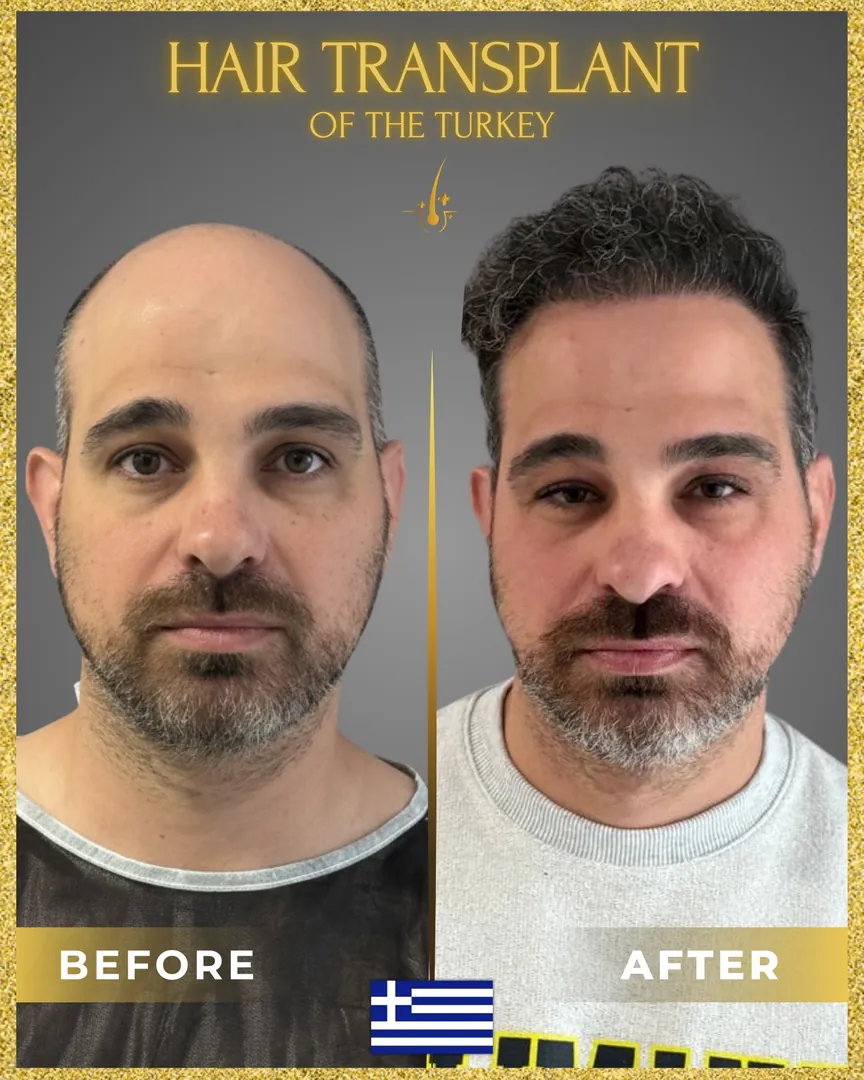
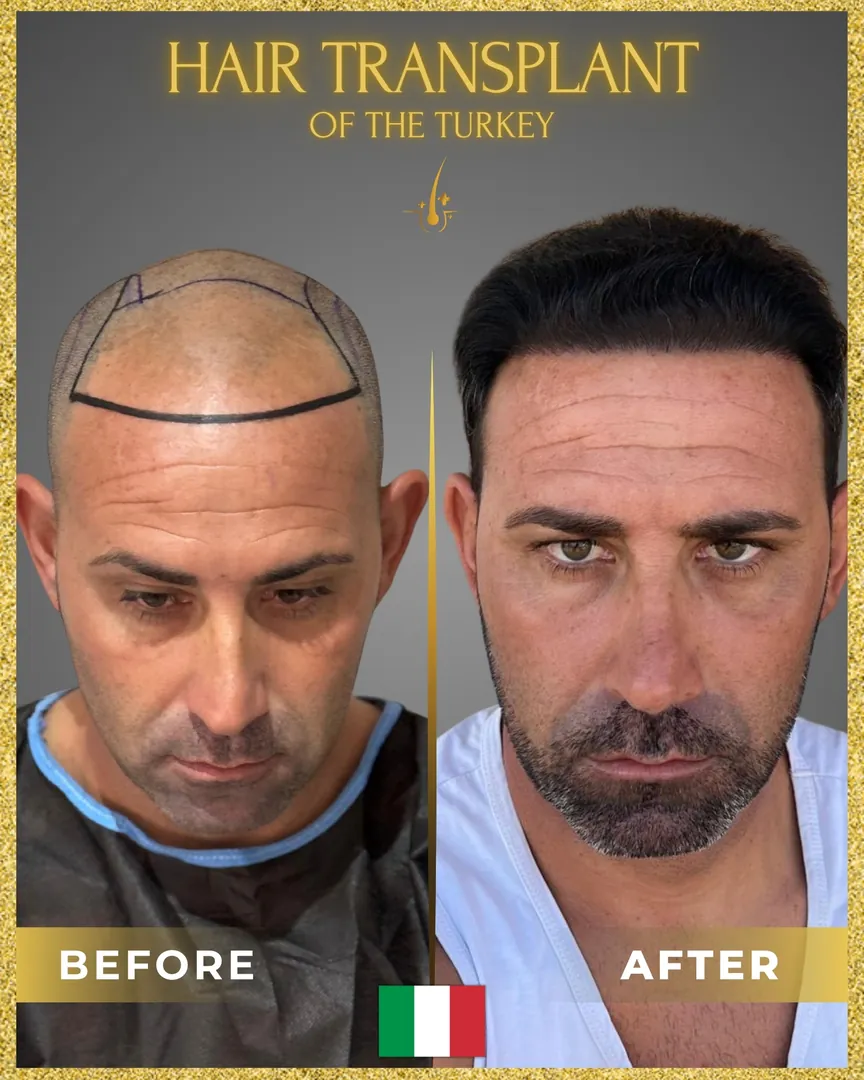
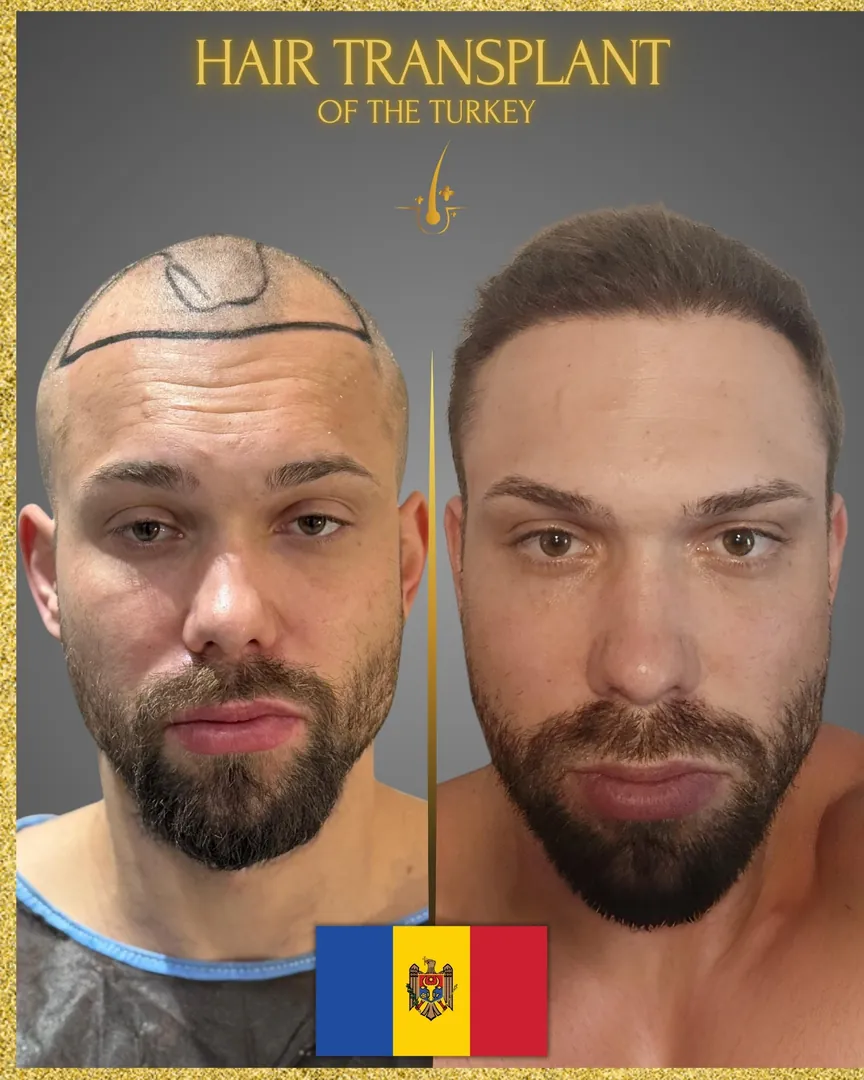
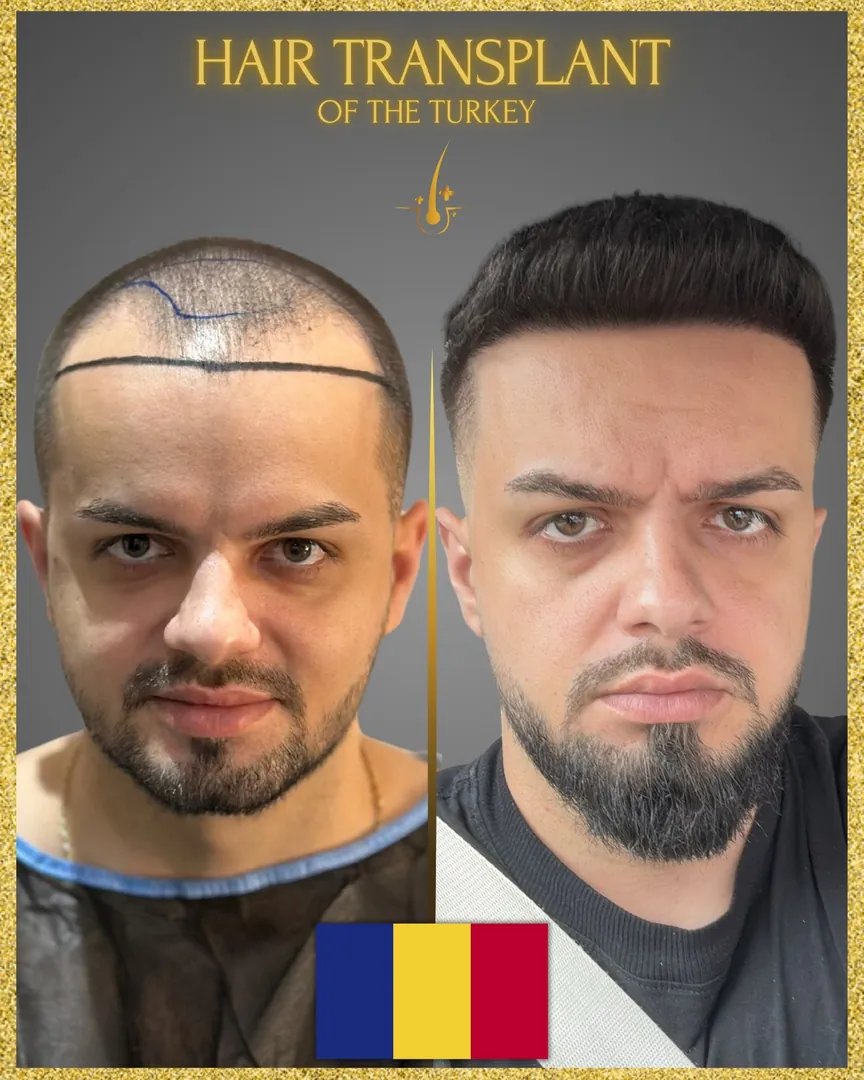
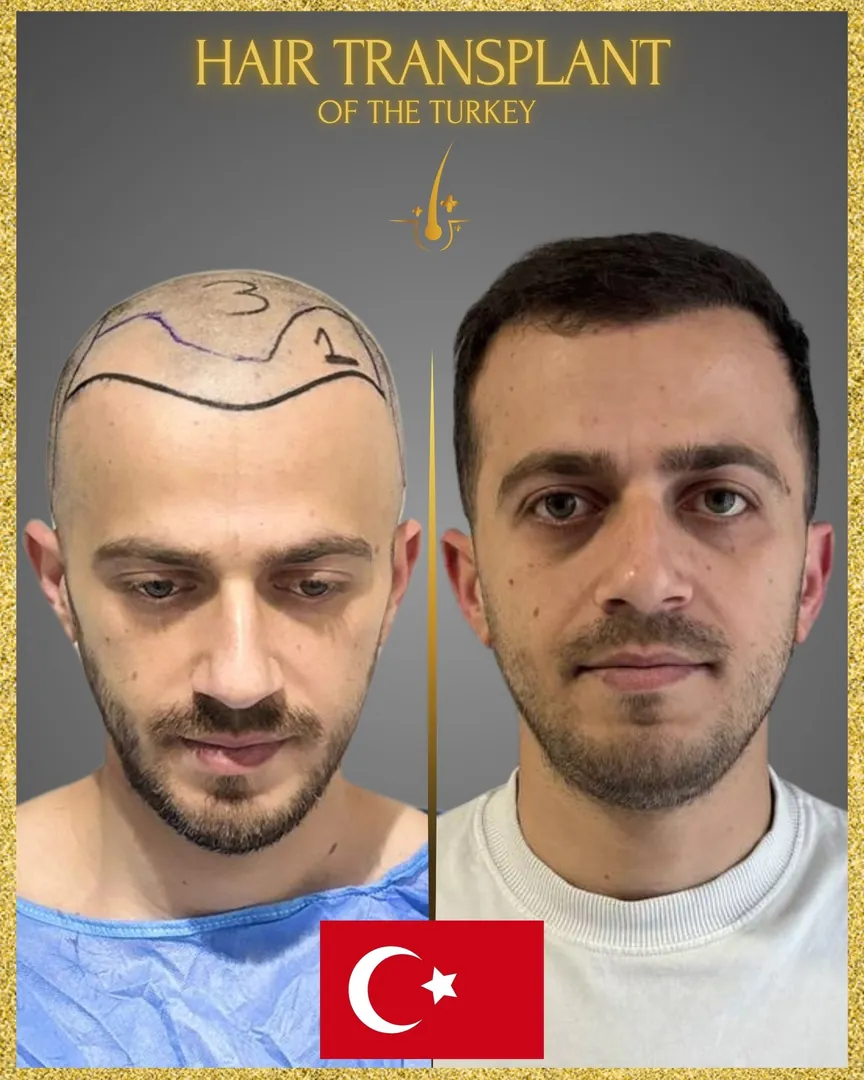
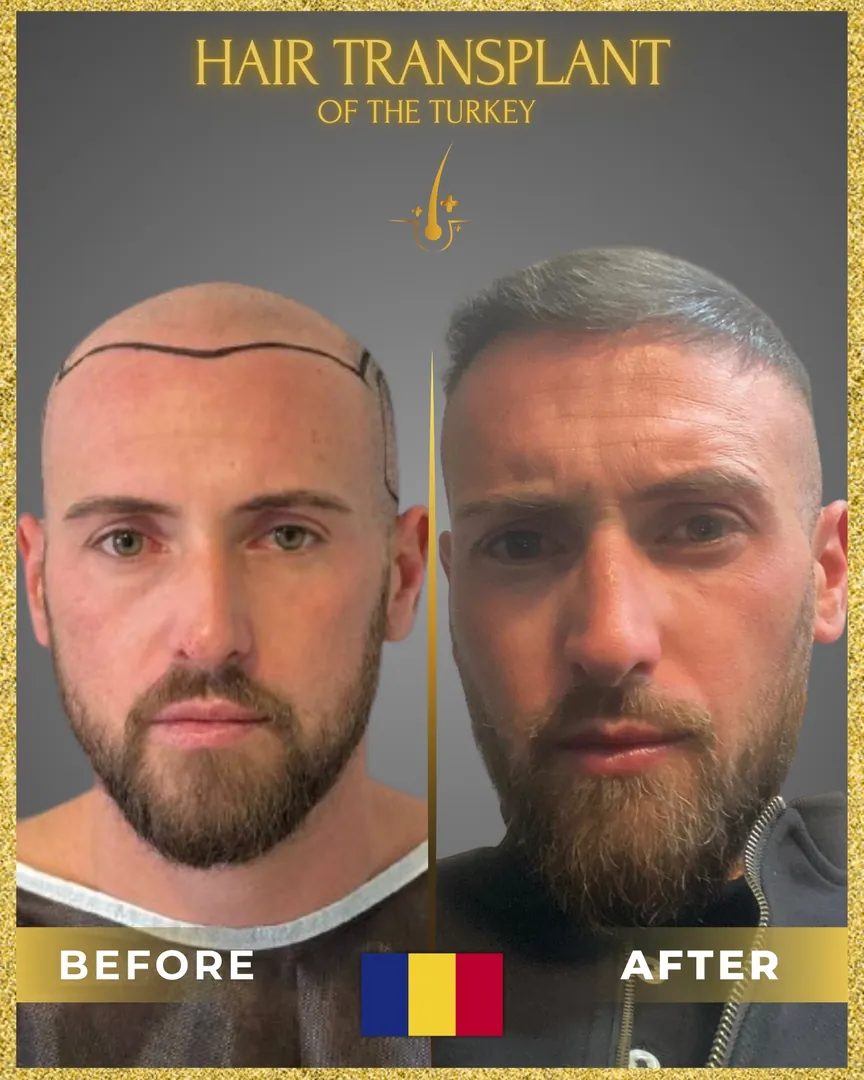
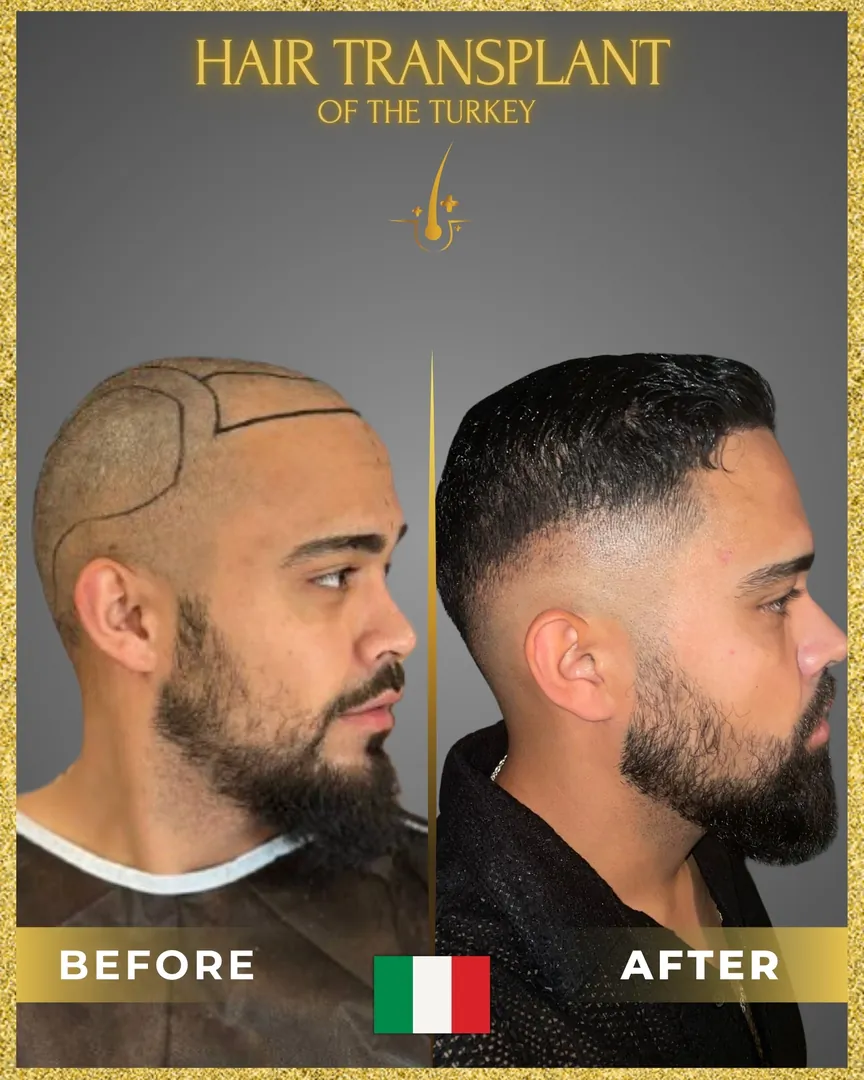
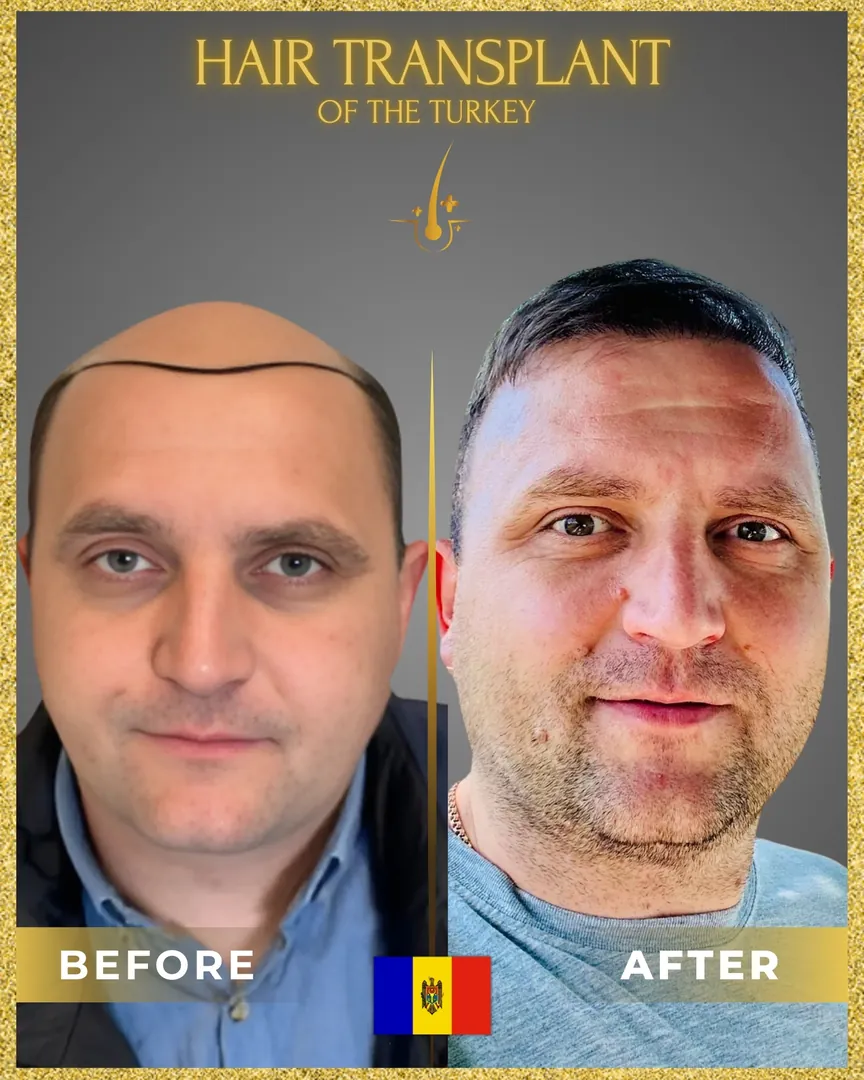
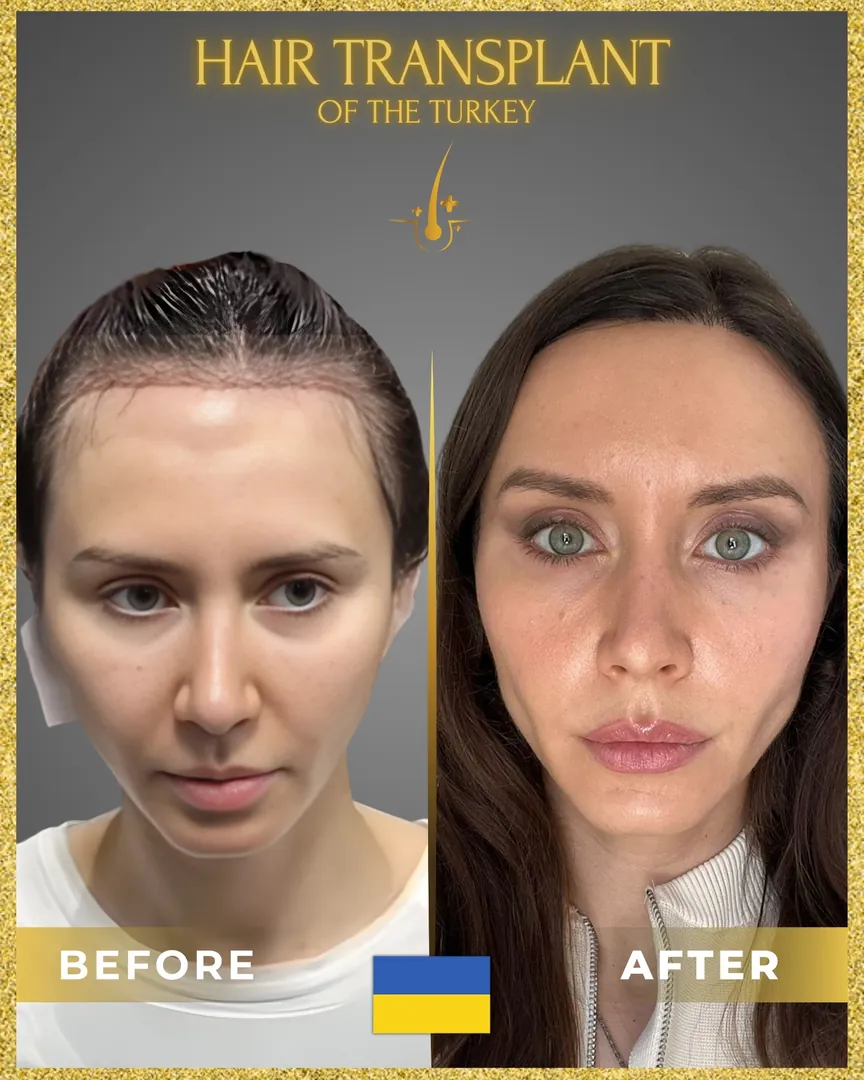
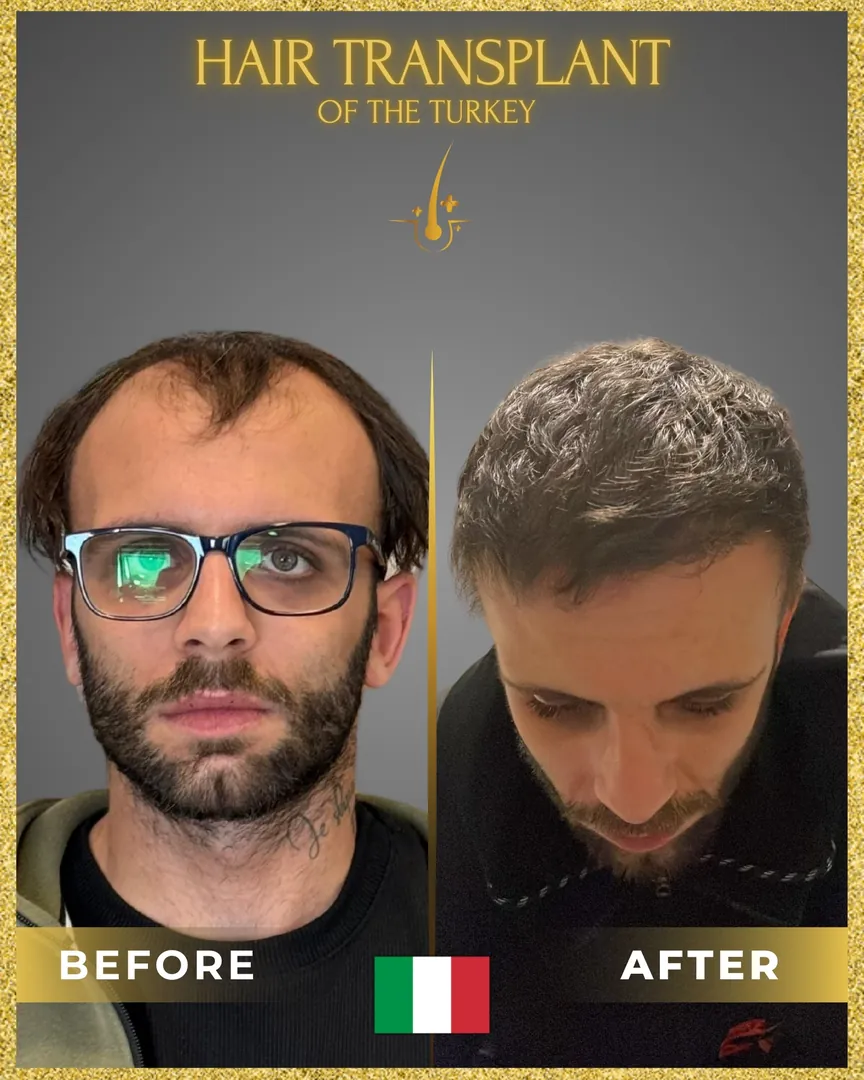
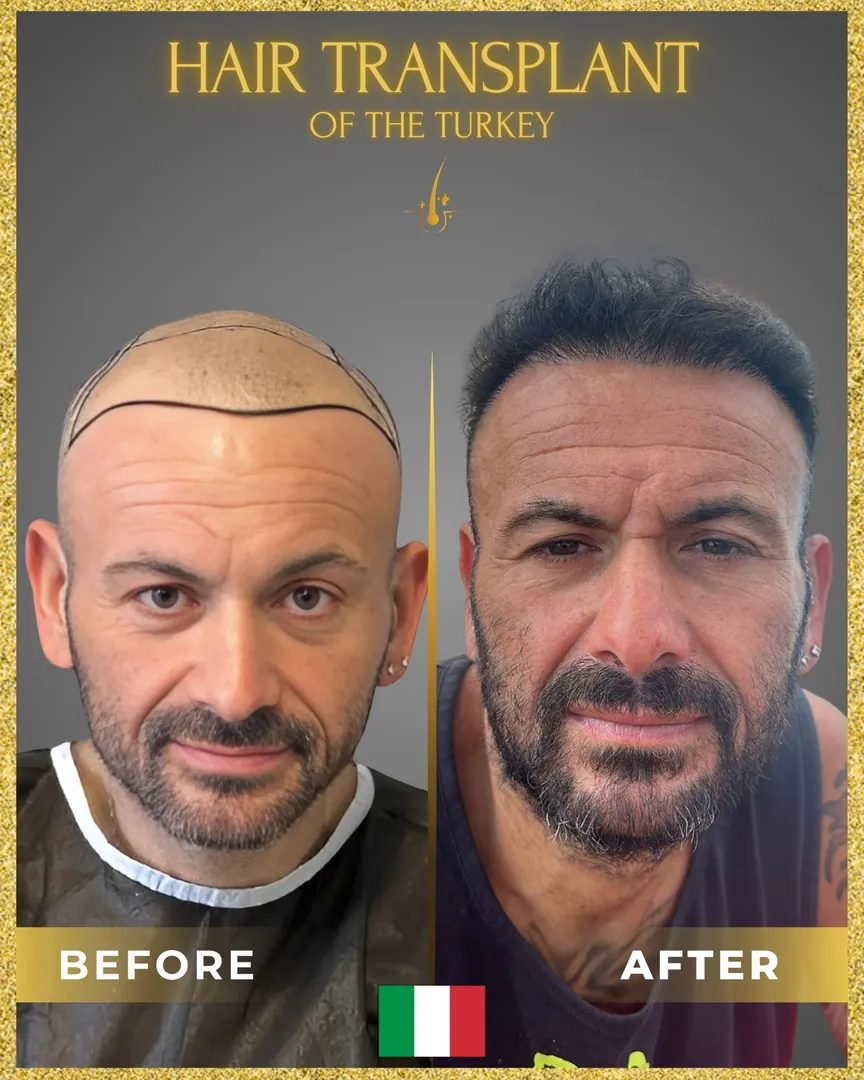
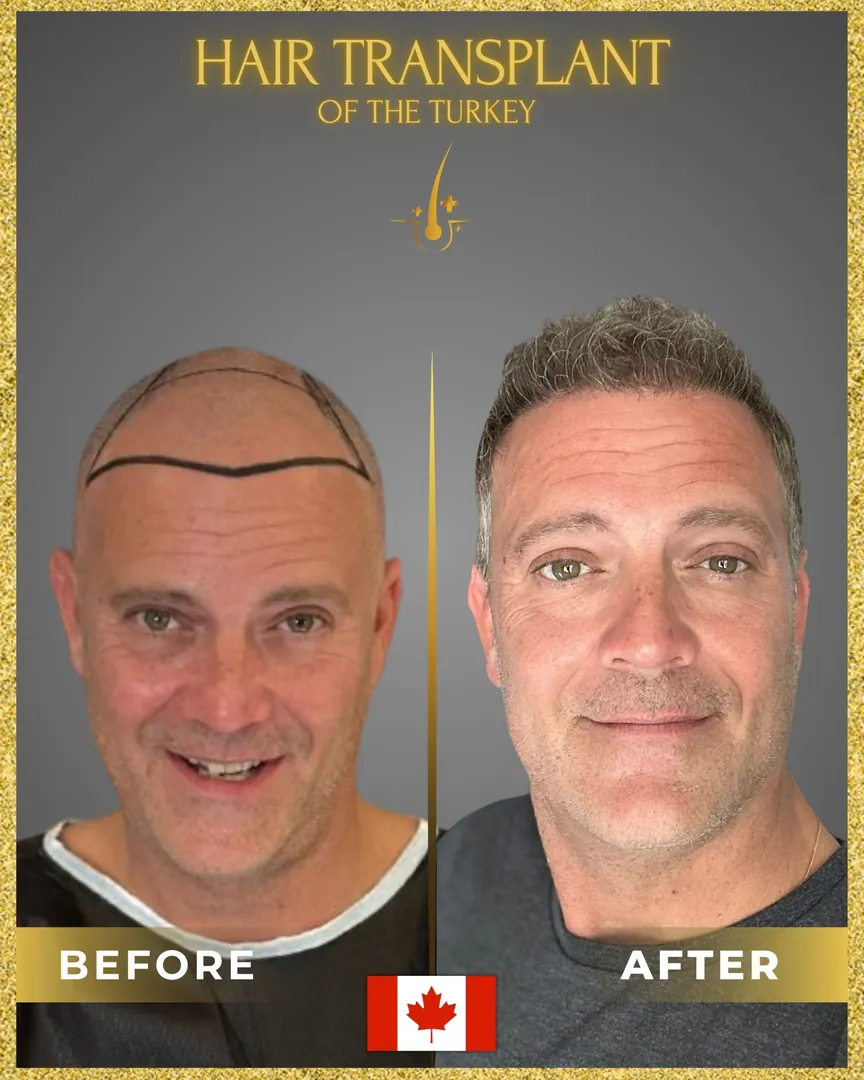
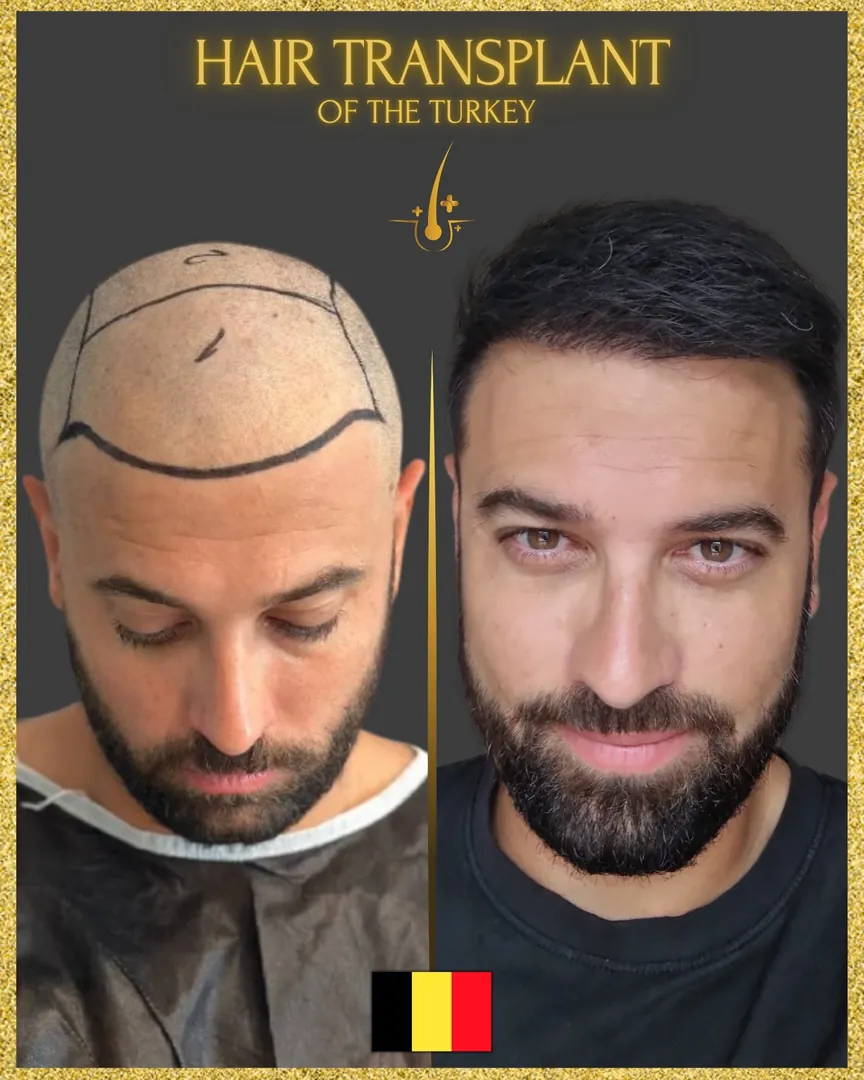
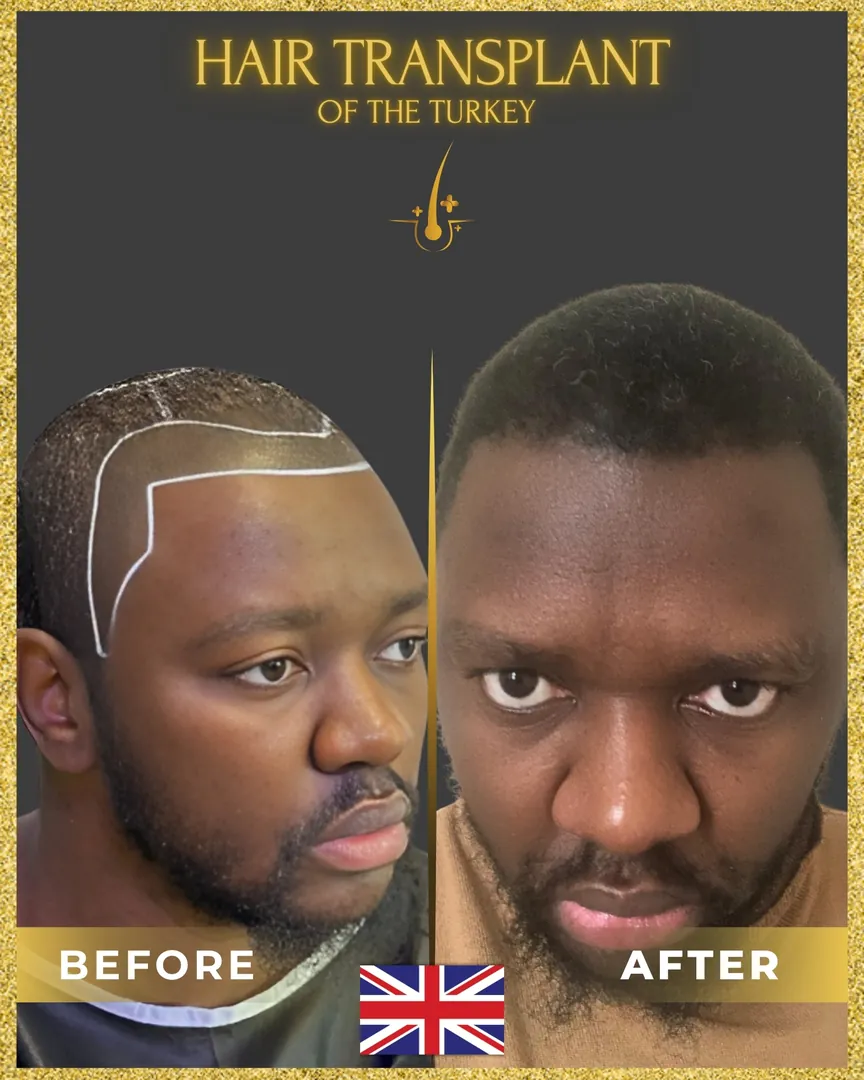
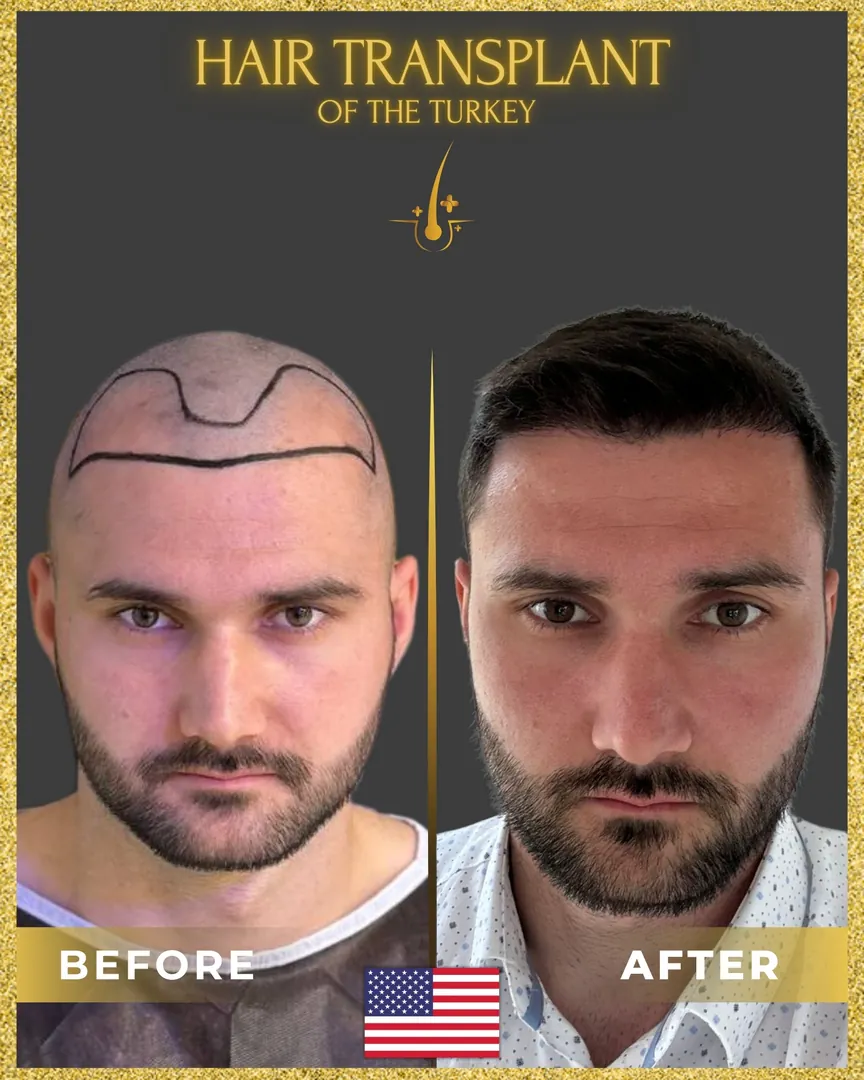
A photo gallery is one of the clearest ways to judge a clinic’s work, provided you know how to read it. Filter the cases below by area treated, then use the timeline and guidance further down the page to understand why no two results look quite the same.
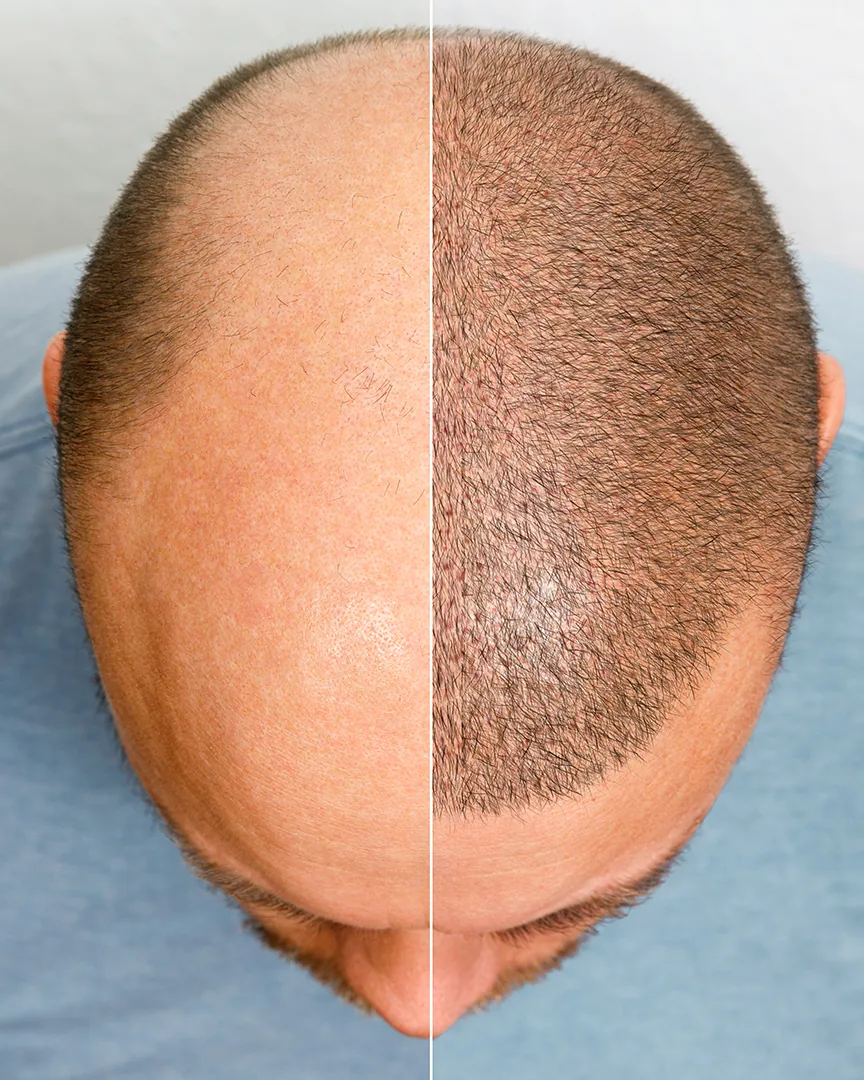
Compare photos taken at the same angle, lighting and hair length, ideally at or after the twelve-month mark, since results are typically only considered final between twelve and eighteen months. Early photos taken during the two-to-eight-week shedding phase can look temporarily thinner and are not a reliable guide to the eventual outcome.
Results timeline
A hair transplant result unfolds gradually over more than a year. The stages below are typical ranges reported in general medical literature; an individual surgeon can describe what to expect for a specific case in consultation.
How to read the gallery
Photos taken at different stages, or of different patients, can look very different from one another even when the underlying procedure was similarly planned and executed.
A hair transplant is the surgical relocation of hair follicles from a donor area, typically the back and sides of the scalp, to thinning or bald areas. Donor density, hair thickness, curl pattern and skin tone all influence how a result looks once healed. Two patients who received a similar number of grafts can end up with a different visual outcome simply because their hair and scalp differ.
Overhead lighting can make a scalp look thinner than it is, while soft side lighting tends to flatter density. The angle a photo is taken from, whether hair is wet or dry, and even the camera used can all change how coverage appears from one image to the next.
A surgeon examining your own scalp in a consultation at the hospital can explain what a realistic result looks like for your specific hairline and donor supply, which no gallery photo can do on its own. Learn more about the hair transplant techniques used to plan a natural-looking hairline, or compare stages on the Norwood scale if you are trying to describe your own pattern of hair loss.
Common questions
Starting density, the size of the area treated and how much time has passed since surgery all affect how visible a change appears. A patient with more advanced hair loss at the start will often show a more dramatic-looking difference than someone treating a smaller area, even with a similar number of grafts.
Most patients notice the first signs of new growth from around month three, with hair continuing to thicken over the following year. Early photos, taken in the first two to three months, often show little visible change and can look thinner than before surgery, because of the normal shedding phase.
Yes. Lighting, camera angle, hair length, styling and even how recently the hair was washed can all change the apparent density in a photograph. This is normal and is not a sign that the underlying result has changed.
Compare photos taken from the same angle, under similar lighting, with hair in a similar state, either wet or dry, styled or natural. Hairline shape, overall density and how natural the growth direction looks are more informative than a single close-up.
No two patients share identical hair, scalp or donor supply, so outcomes vary somewhat from person to person. A gallery is useful for judging the style and consistency of a clinic’s work, not as a guarantee of an identical result for your own hair.
Medically reviewed by Surgeon name, title · Written by the Hair Transplant Of The Turkey medical team · Last updated